


Jiaodong Fishermen’s Food Culture: Traditional Seafood Heritage on China’s Eastern Coast
For centuries, the people of Jiaodong Peninsula — the easternmost finger of Shandong Province reaching into the Yellow Sea — have organized their lives around the rhythms of the ocean. Unlike industrial seafood processing that came later, the region’s food culture was built over generations by fishing families whose daily diets were inseparable from the catch. This living culinary tradition — built on fresh seafood, time-honored preservation techniques, and a deep respect for seasonal availability — remains a defining feature of Jiaodong’s food identity and increasingly resonates with global buyers seeking authentic ingredient stories.
A Culinary Culture Forged by the Sea
Jiaodong’s fishing heritage dates back to at least the Ming Dynasty, when small-vessel coastal fishing communities dotted the peninsula’s harbors. What distinguished Jiaodong from other coastal regions was not just the variety of the catch, but how thoroughly seafood permeated every dimension of local food culture: the morning catch prepared for breakfast, dried fish foraged as provisions, and fermented seafood sauces that served as the community’s primary seasoning base before soy sauce became widespread.
The fishermen’s kitchen was pragmatic by necessity. Fresh fish caught at dawn might be simmered with ginger and scallion for a simple morning broth, or split and hung to dry in the salt air for later use. Surplus catches were transformed through salting, sun-drying, and fermentation — techniques that extended shelf life without refrigeration and that simultaneously created the umami-rich flavors now prized in fine dining contexts worldwide.
Signature Seafood Ingredients of the Jiaodong Tradition
Several ingredients from the Jiaodong fishing tradition have emerged as internationally recognized food materials, valued both for their culinary properties and the cultural depth they carry:
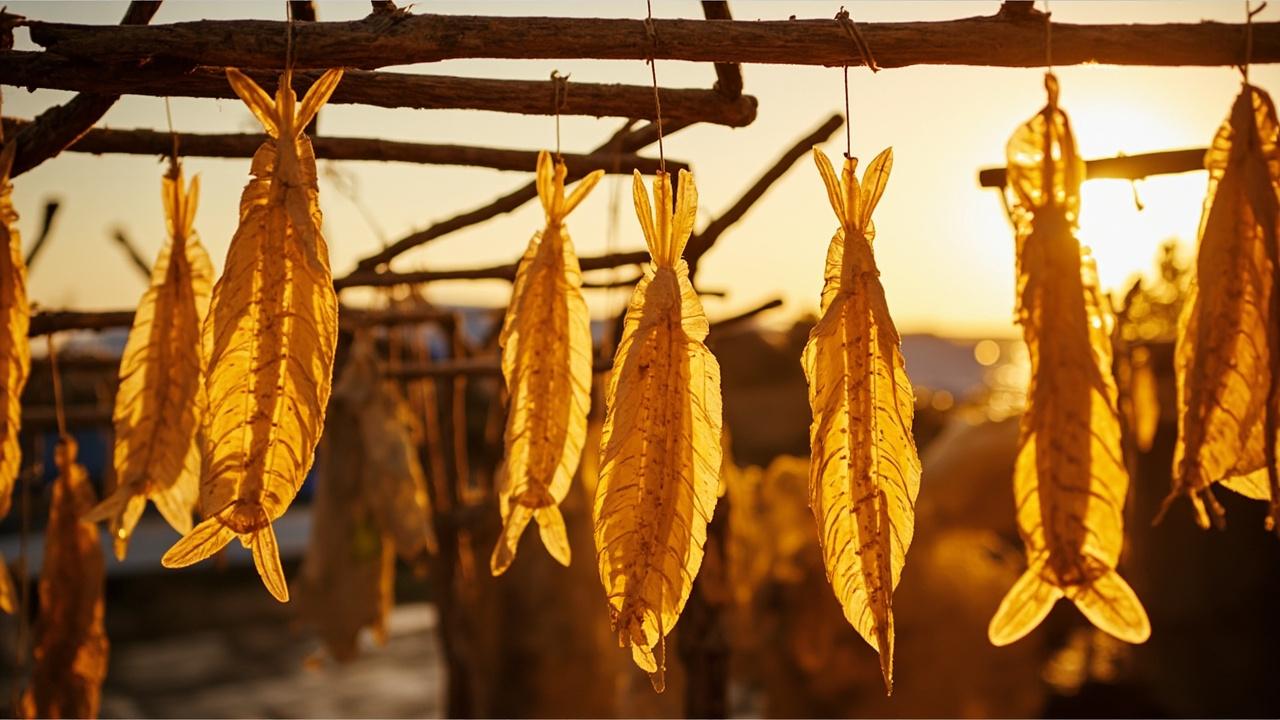
1. Dried Yellow Croaker (黄鱼鲞 / Huangyu Xiang)
Split and sun-dried yellow croaker is one of the most storied products of the Jiaodong tradition. The drying process concentrates the fish’s natural sweetness and creates a firm, flaky texture. In traditional Jiaodong cuisine, it is rehydrated and braised or flaked into rice dishes. For modern food manufacturers, it offers an umami-rich ingredient for savory snack production, ready meals, and condiment formulations.
2. Kelp and Seaweed (海带 / Haidai)
The shallow, nutrient-rich waters off the Jiaodong coast produce kelp of exceptional thickness and iodine content. Jiaodong families have used kelp as both a vegetable and a seasoning base for generations — simmered into soups, sliced into cold dishes, or dried and ground as a mineral-rich powder. In contemporary food processing, kelp appears in seasonings, marine functional ingredients, and plant-based umami boosters.
3. Salted Mackerel (咸鲅鱼 / Xian Baya Yu)
Mackerel (Spanish mackerel, 鲅鱼) is one of the most abundant seasonal catches along Jiaodong’s coast. Traditional preparation involves light salting followed by pan-frying or steaming with rice. The strong, savory character of properly prepared salted mackerel has made it a lasting comfort food across Shandong’s coastal communities and an ingredient with growing appeal among Asian-market buyers.
4. Sea Clam (蚬子 / Xianzi) & Surf Clam
Small clams harvested from Jiaodong’s tidal flats have been a staple protein source for fishing communities for centuries. Typically quick-cooked with garlic and cilantro or added to noodle broths, these humble shellfish embody the region’s “from tide to table” philosophy. In processed form, clam meat is now used in frozen IQF formats for export, supplying Asian restaurants and ready-meal manufacturers globally.
Three Numbers That Define Jiaodong Seafood Heritage
| 300+ | Years of documented coastal fishing history in the Jiaodong Peninsula |
| 20+ | Traditional seafood preservation and preparation techniques documented in local culinary records |
| 5 | Core seafood ingredient categories from the Jiaodong tradition now traded internationally |
Why This Heritage Matters to Global Ingredient Buyers
Modern food buyers increasingly seek more than specification sheets — they want ingredients embedded in credible origin stories. Jiaodong’s fishermen’s food culture offers precisely this: a tradition of marine ingredient use built on centuries of coastal life, preserved and transmitted through generations of daily cooking practice rather than industrial processing.
For buyers sourcing from Jiaodong-based suppliers, this cultural depth translates into:
- Provenance differentiation: Ingredients traced to a specific coastal tradition carry more narrative weight than commodity alternatives
- Processing discipline inherited from tradition: Techniques like proper sun-drying, salting, and fermentation were developed and refined by fishing families — the same rigor that now governs HACCP-plan compliance in modern facilities
- Seasonal integrity: Traditional fishermen’s diets were governed by seasonal availability — a principle that aligns with modern demands for seasonal sourcing transparency and clean-label positioning
JiaLe Food: Your Jiaodong Seafood & Fruit Ingredient Partner
Situated in Laiyang, at the heart of the Jiaodong Peninsula, Jiale Food benefits from the region’s full coastal-agricultural heritage — both its land-based fruit and vegetable traditions and its marine seafood legacy. Our processing facilities operate under FSSC 22000-certified food safety management systems, ensuring that the cultural integrity of Jiaodong’s ingredient traditions is matched by modern quality assurance.
Whether you are exploring traditional dried seafood ingredients, IQF marine products, or multifategory joint procurement (fruits and seafood from the same trusted origin), we welcome the conversation.
Contact us: sales@jiale-food.com
Website: www.jiale-food.com