


Shandong’s Agricultural Heritage: 5,000 Years Powering a World-Class Frozen Food Hub
How one of China’s oldest farming civilizations became a global leader in frozen fruit and vegetable exports
The Ancient Roots of a Farming Superpower
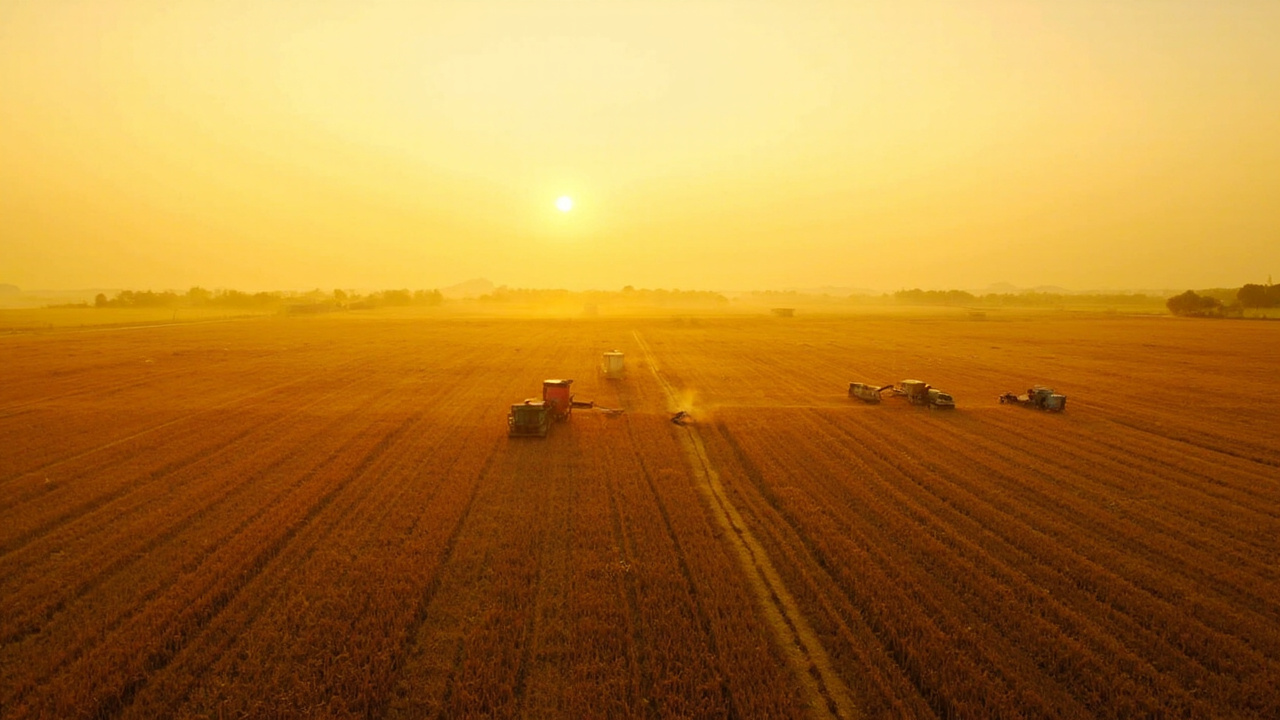
Long before Shandong Province earned its reputation as China’s agricultural powerhouse, its lands were already feeding millions. Archaeological evidence traces cultivated wheat and millet in the Shandong region back to the Yangshao Dynasty (c. 5000–3000 BC), making it one of the earliest agricultural heartlands in East Asia. By the Zhou Dynasty (c. 1046–256 BC), Shandong’s fertile plains were recognized as the “granary of Qi,” supplying grain to expanding Chinese civilizations.
This ancient farming foundation gave rise to a culture deeply attuned to the rhythms of soil, season, and harvest—an ethos that continues to define the region today. Shandong farmers developed sophisticated irrigation techniques, crop rotation systems, and seed selection practices centuries before modern agronomy existed as a discipline.
From Tradition to Transformation: The 20th Century Pivot
The mid-20th century brought seismic shifts. Land reform, mechanization, and later agricultural science programs transformed Shandong’s rural economy from subsistence farming into commercial production at scale. The introduction of improved seed varieties, synthetic fertilizers, and modern irrigation doubled and tripled per-hectare yields across wheat, corn, and specialty crops alike.
By the 1980s and 1990s, as China’s reform and opening-up accelerated, Shandong’s coastal geography and established infrastructure made it a natural gateway for food exports. The province leveraged its farming heritage—rich soil, favorable climate, experienced agricultural labor—while embracing international food safety standards, processing technologies, and cold chain logistics.
Why Shandong’s History Matters for Frozen Food Buyers
For international buyers sourcing frozen fruits and vegetables, Shandong’s agricultural legacy is not just a romantic footnote—it is a competitive advantage:
- Proven land and climate: The warm temperate climate with 180–200 frost-free days and loamy soils developed over millennia produce fruits and vegetables with consistent sugar content, color, and texture.
- Generational expertise: Farmers and processors in the region carry decades, often centuries, of hands-on knowledge about optimal harvest timing, post-harvest handling, and varietal selection.
- Scale and infrastructure: Shandong’s rise as an export hub attracted investment in IQF (Individually Quick Frozen) facilities, cold storage, and HACCP/FSSC 22000-certified processing lines.
- Supply chain maturity: The ecosystem connecting farmland → processing plant → port is finely tuned, enabling 24–48 hour turnaround from harvest to frozen export.
The Numbers Behind Shandong’s Export Strength
Shandong Province consistently ranks at the top of China’s agricultural output tables. Its contribution to national fruit and vegetable exports exceeds 20%, and it leads the country in exports of frozen strawberries, frozen broccoli, canned peaches, and apple products. The province’s food processing sector generates over CNY 1 trillion in annual output, with frozen and preserved fruits representing one of the fastest-growing segments.
Companies like Jiale Food—operating since 2009 with HACCP, FSSC 22000, Kosher, and Halal certifications—embody the convergence of this deep-rooted agricultural tradition and modern food safety standards demanded by international buyers.
What This Means for Your Supply Chain
When you source from Shandong, you are not just buying a product. You are accessing five thousand years of accumulated knowledge about what grows well here, how to grow it well, and how to move it from field to frozen in optimal condition. Jiale Food’s position in Laiyang—within the Jiaodong Peninsula agricultural zone—gives buyers the geographic, climatic, and institutional advantages of this storied farming region.