


For an importer, a supplier’s food safety system matters as much as the product. Here are the layers of the system we run at Jiale Food, from basic hygiene to certified risk control.
GMP: the foundation
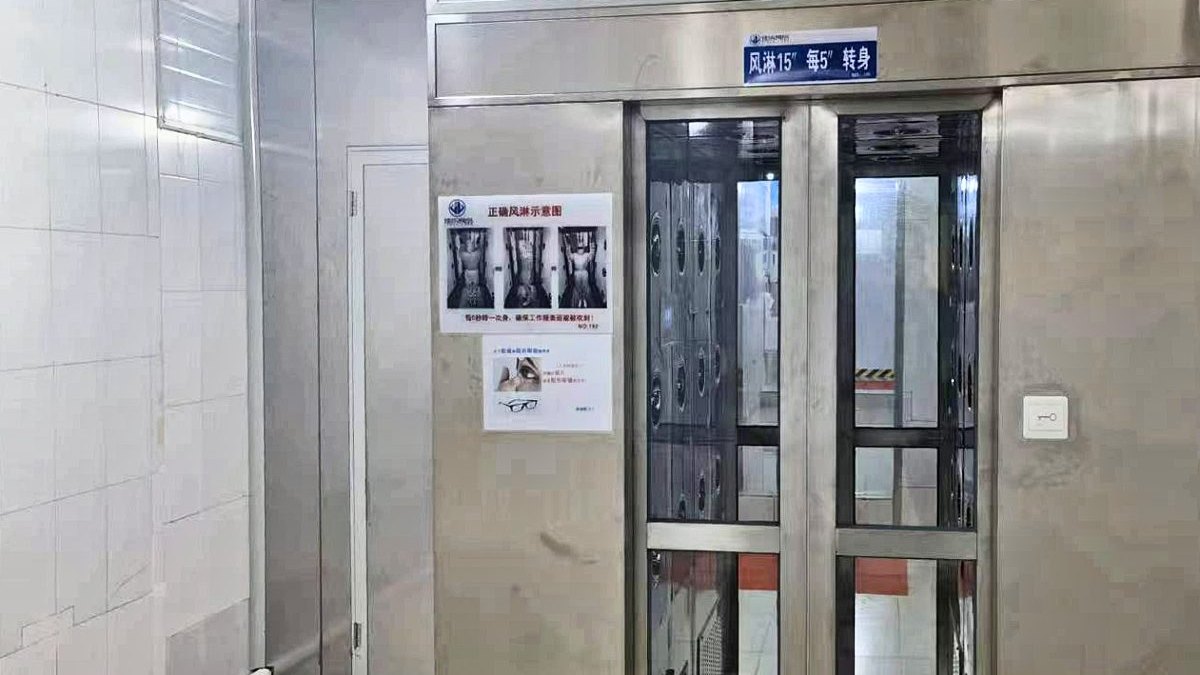
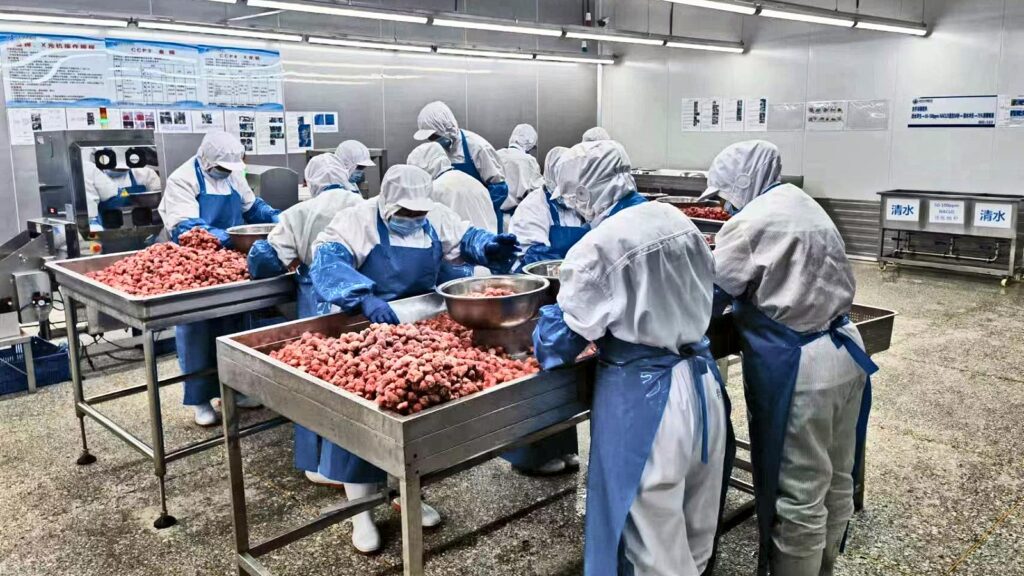
Good Manufacturing Practice covers the site, workshop layout, equipment, personnel hygiene, storage and records. In China it is set by the national standard GB 14881. At Jiale Food, production runs in 3,300 m² of fully enclosed workshops on a 12,000 m² site, with controlled entry for staff.
SSOP: daily hygiene
Sanitation standard operating procedures turn GMP into daily routines: cleaning and sanitising equipment, personal hygiene and protective clothing, water quality, and pest control. Deviations are recorded and corrected.
Prerequisite programmes
- Facility: workshop design, drainage, ventilation, cold storage
- Suppliers: approved supplier list and incoming inspection
- Equipment: maintenance, calibration and cleaning records
- People: training, health and hygiene
HACCP: control points
HACCP identifies the steps where biological, chemical or physical hazards can occur and sets limits, monitoring and corrective actions for each. In fruit and vegetable processing these typically include:
| Step | Hazard | Control |
|---|---|---|
| Receiving | Residues, foreign matter | Supplier approval, incoming inspection |
| Cooking / blanching | Pathogen survival | Time and temperature control |
| Foreign-body inspection | Metal and other hard foreign bodies | Inline detection, such as X-ray inspection |
| Freezing and cold storage | Microbial growth from temperature abuse | Temperature monitoring |
Certified and traceable
Our system is certified to HACCP and FSSC 22000. Every lot is traceable, and we can trace a lot within one working day. HACCP plan summaries and certificate copies are available on request.
Request specifications or a quote
Tell us the product, cut or format, packing and destination. Our sales team will reply with specifications, MOQ and a quotation.
Certificates → · All products →
Request a Quote WhatsApp +86 159 6656 2788 · sales@jiale-food.com