


Introduction
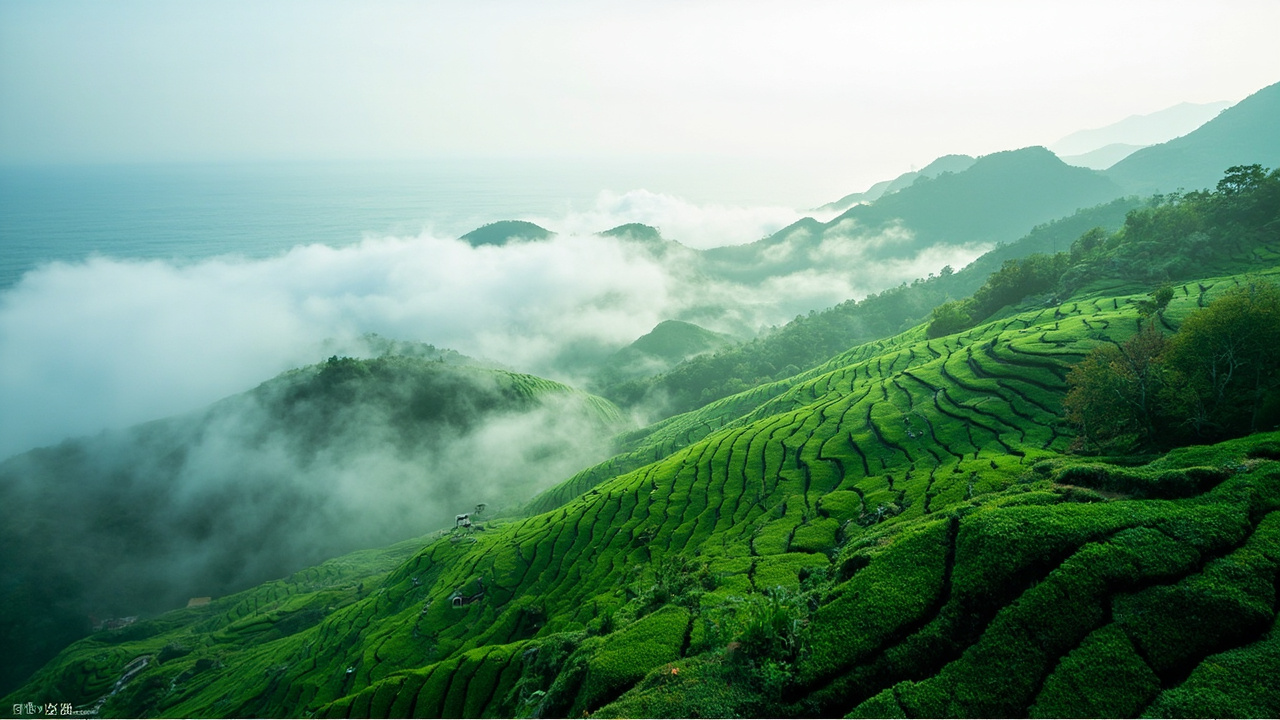
The Shandong Peninsula (山东半岛), China’s easternmost landmass extending into the Yellow Sea, is home to one of the country’s most distinctive tea-producing regions. While China is globally renowned for teas from Hangzhou, Fujian, and Yunnan, the Jiaodong Peninsula tea region — centered around Laoshan (崂山) in Qingdao — represents the northernmost major tea cultivation zone in the country. This unique geographic position, where the peninsula meets the sea, creates a maritime microclimate that shapes teas with exceptional character.
The Maritime Advantage: Why the Peninsula Produces Premium Tea
Most of China’s tea gardens sit below the 35th parallel north. Laoshan tea grows at 36°N latitude — on par with Tokyo or the Mediterranean coast — pushing the boundaries of tea cultivation. The surrounding Yellow Sea moderates temperatures year-round: summers are cooler than inland Shandong, and winters are less harsh than comparable latitudes inland. This foggy, humid maritime climate slows tea leaf growth, concentrating amino acids and catechins that define quality green tea.
Annual precipitation of 700–900 mm, concentrated in the growing season, provides natural irrigation. The hilly terrain offers excellent drainage, while the forest coverage surrounding tea gardens maintains humidity and shields crops from strong winds — critical for tender shoot development.
Laoshan Tea: The Flagship of Northern Chinese Tea
Laoshan Tea (崂山茶) holds National Geographic Indication (地理标志) status and is recognized as one of the top green tea varieties in northern China. First cultivated in the late 1950s from seedlings transported from southern provinces, Laoshan’s tea gardens have expanded to over 8,000 hectares of cultivated area, producing approximately 800 metric tons of tea annually.
Key Characteristics
- Appearance: Tight, spiral-shaped leaves with a distinctive dark green color
- Aroma: Fresh, oceanic marine notes with a subtle chestnut sweetness
- Flavor: Smooth, less astringent than southern green teas; clean finish with light sweetness
- Color: Pale green liquor, brighter than many inland green teas
Processing Methods and Tea Styles
Shandong Peninsula teas are predominantly green tea (绿茶), processed using traditional pan-firing (炒青) methods similar to other northern Chinese green teas. Key processing stages:
- Harvest: Hand-picked in early April (明前茶 / “before Qingming” tea) through September
- Shaqing (杀青): Pan-firing at 220–280°C to halt oxidation
- Rolling (揉捻): Shaping leaves and breaking cell walls for flavor release
- Drying: Repeated pan-firing and air-drying to achieve final moisture content below 5%
Beyond green tea, some producers in the region experiment with white tea (白茶) and oolong (乌龙茶), though these remain niche production within the overall regional output.
Supply Chain Implications for Food & Beverage Buyers
For international buyers sourcing tea or tea-flavored food ingredients from China, the Shandong Peninsula offers several strategic advantages:
Key Advantages for Importers
- Quality consistency: Established GI certification and traceability standards
- Competitive pricing: Shandong’s mature logistics and manufacturing infrastructure reduces landed costs
- Processing hub: Proximity to Qingdao Port enables efficient containerized export
- Customization: Local processors offer OEM/ODM for tea extracts, concentrates, and flavored ingredients
Other Notable Tea Regions on the Peninsula
Beyond Laoshan, the Shandong Peninsula hosts several smaller but notable tea-producing areas:
| Region | Location | Specialty | Harvest Window |
|——–|———-|———–|—————-|
| Miaoshan (妙峰山) | Qingdao outskirts | Mountain-grown green tea | April–September |
| Aoshan (鳌山) | Near Qingdao | Early-season premium | April only |
| Weihai (威海) | Eastern peninsula coast | Coastal-style green tea | May–September |
Conclusion
The Shandong Peninsula’s tea industry demonstrates how geographic extremity — in this case, latitude and maritime exposure — can create highly distinctive agricultural products. For buyers seeking northern Chinese green teas with unique flavor profiles and reliable supply chain infrastructure, the Laoshan tea region warrants serious consideration.
As climate patterns shift, the viability of tea cultivation at higher latitudes is increasingly relevant. Shandong’s experience offers a template for how coastal microclimates can support premium agricultural production at the northern limits of a crop’s range.
Jiale Food Co., Ltd. — Your trusted partner for premium food ingredients from Shandong Province. Contact us at sales@jiale-food.com to discuss your sourcing requirements.