


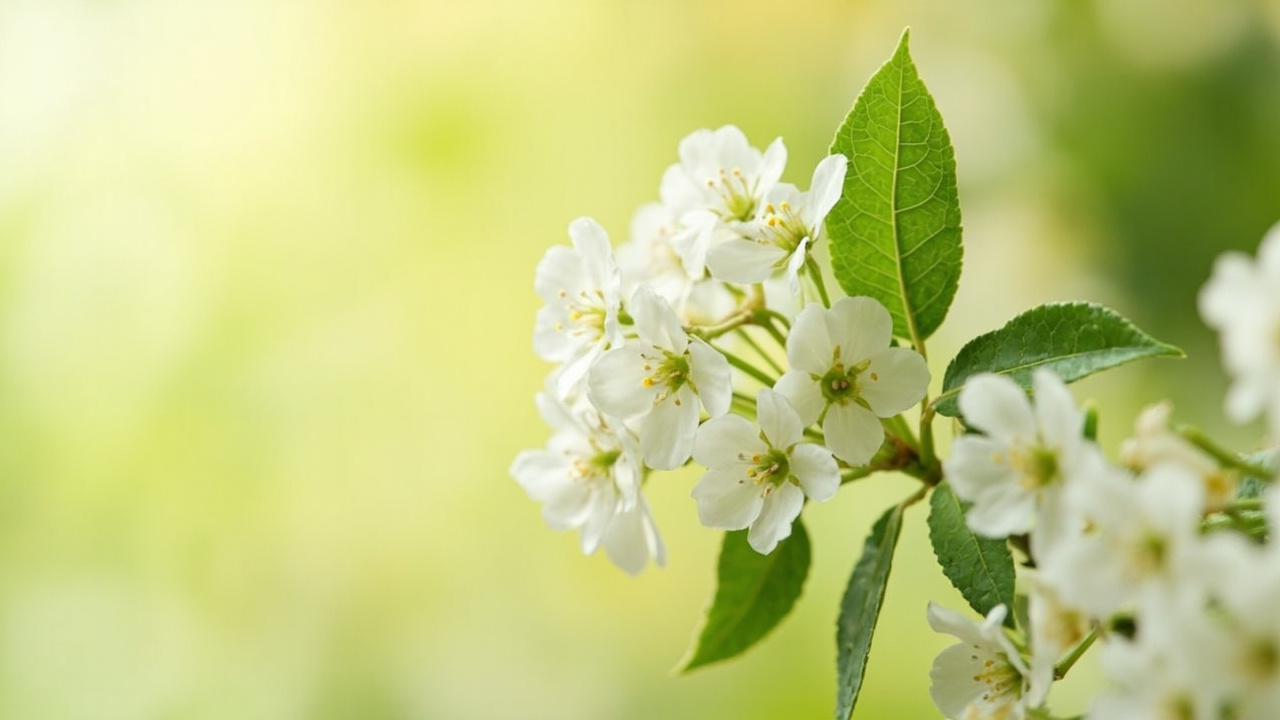
At a Glance: China locust tree flowers (yanghuaihua) are emerging as a sought-after seasonal ingredient in global food processing markets. Native to Shandong Province and the broader Jiaodong Peninsula, black locust flowers offer a delicate floral aroma, natural sweetness, and versatile application potential that appeals to manufacturers of tea, preserves, baked goods, and health supplements worldwide.
As demand for natural and botanical flavors continues to rise across international markets, one seasonal ingredient from China is quietly gaining the attention of food manufacturers and ingredient buyers: locust tree flowers, known locally as yanghuaihua (洋槐花, the edible blossoms of Robinia pseudoacacia).
What Are Locust Tree Flowers?
Black locust (Robinia pseudoacacia) is a leguminous tree native to the southeastern United States but has been cultivated extensively across China, particularly in Shandong Province. The region's temperate climate, well-drained soils, and ample sunlight create ideal growing conditions for locust trees, resulting in abundant blooming seasons from late April through May each year.
Locust flowers grow in cascading white-to-cream clusters, typically 10–20 cm in length. They are characterized by their:
- Delicate floral aroma — subtle, sweet, with notes reminiscent of jasmine and honeysuckle
- Natural sweetness — light syrupy flavor without added sugar
- Tender texture — soft petals suitable for minimal processing
- Natural color retention — white to pale cream that holds well in processed forms
Nutritional Profile
Fresh locust flowers contain a range of beneficial compounds valued in food processing applications:
- Vitamins: Vitamin A (beta-carotene), Vitamin C
- Flavonoids: quercetin, kaempferol — natural antioxidants
- Minerals: potassium, calcium, magnesium, iron
- Polysaccharides: naturally occurring complex carbohydrates
Applications in Food Processing
1. Locust Flower Tea & Botanical Beverages
One of the most traditional uses of locust flowers is in floral teas. The dried blossoms produce a lightly sweet, aromatic infusion popular in both domestic Chinese markets and export destinations including Japan, South Korea, and Southeast Asia. Locust flower tea blends well with green tea, osmanthus, and chrysanthemum.
2. Fruit Preserves, Jams & Fruit Purees
Locust flowers' natural sweetness and low moisture content make them an excellent ingredient for fruit preserves and fillings. Their floral notes complement stone fruits (peach, apricot, plum) and berries, creating differentiated flavor profiles for manufacturers of jams, compotes, and fruit-based spreads.
3. Baked Goods & Confectionery
In traditional Chinese cuisine, locust flowers are incorporated into cakes, biscuits, and rice cakes. For modern food manufacturers, locust flower extract or dried petal powder can add natural floral flavors to cookies, crackers, breads, and mooncakes without artificial flavorings.
4. Health Supplements & Functional Foods
In traditional Chinese medicine (TCM), locust flowers are recognized for their cooling properties and benefits for eye health and blood circulation. While not a substitute for medical claims, these traditional uses position locust flower derivatives as ingredients in functional food formulations targeting wellness-oriented consumer segments.
Supply & Sourcing: Shandong's Advantage
Shandong Province, and specifically the Jiaodong Peninsula region surrounding Laiyang, is one of China's primary cultivation areas for black locust trees. The region benefits from:
- Established cultivation base: Large areas of locust forest planted over decades
- Optimal harvest window: Annual flowering season of 2–3 weeks in late April to mid-May
- Single-origin sourcing potential: Traceable to specific counties and harvest seasons
- Processing infrastructure: Proximity to fruit and vegetable processing facilities with IQD (individually quick frozen) and air-dried capabilities
For international buyers, Shandong-origin locust flowers represent an opportunity to secure competitively priced seasonal ingredients with well-established logistics connections to major export ports including Qingdao Port and Yantai Port.
Product Forms Available for Export
- Fresh flowers (IQD): Individually quick frozen to preserve aroma and color — typical MOQ 500 kg
- Air-dried petals: Sun or machine dried to 8–10% moisture — typical MOQ 200 kg
- Locust flower extract powder: Spray-dried or freeze-dried powder for beverage and supplement applications
- Frozen puree: Blended and frozen locust flower puree for jam and beverage manufacturing
Market Outlook
The global natural flavor and botanical ingredients market is projected to grow at 8–10% CAGR through 2030, driven by clean-label consumer trends and demand for plant-based ingredients. Locust tree flowers, with their unique flavor profile and established supply chain in Shandong, are well positioned to capture a share of this growing demand, particularly among manufacturers seeking differentiated floral ingredients at accessible price points.
Sourcing Locust Tree Flowers from Jiale Food
Jiale Food Co., Ltd. is a professional fruit and vegetable processing company based in Laiyang, Shandong — in the heart of China's black locust cultivation region. We offer locust tree flowers in multiple processed forms suitable for food manufacturing applications, with flexible MOQs and export documentation support for international buyers.
Contact us to discuss your locust flower ingredient requirements: sales@jiale-food.com | Tel: +86 535 7523789 8001